
Manfredi's Repentance and Hope
The Divine ComedyThe story of Manfredi, King of Sicily, who died excommunicated but repented at the last moment, now waiting in Ante-Purgatory.
increasing Bearing strength in each event
 decreasing
Bearing strength in each eventdecreasingManfredi's Appearance
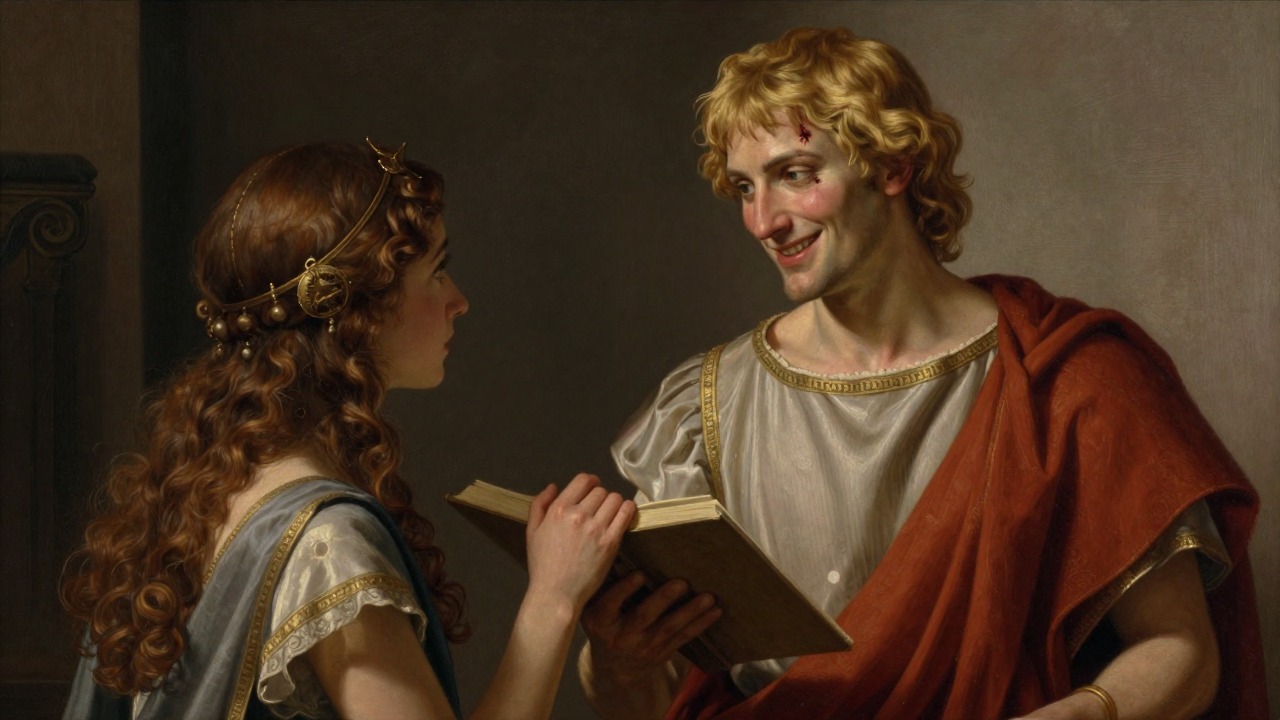
The Wounded King
The Recognition
Dante sees a blond, handsome soul with a wound on his brow and chest. The soul smiles and identifies himself as Manfredi, grandson of Empress Constance.
The Request
Manfredi asks Dante to tell his daughter, the queen of Sicily and Aragon, the truth about his salvation, so that she may pray for him.
Manfredi's Excommunication and Death
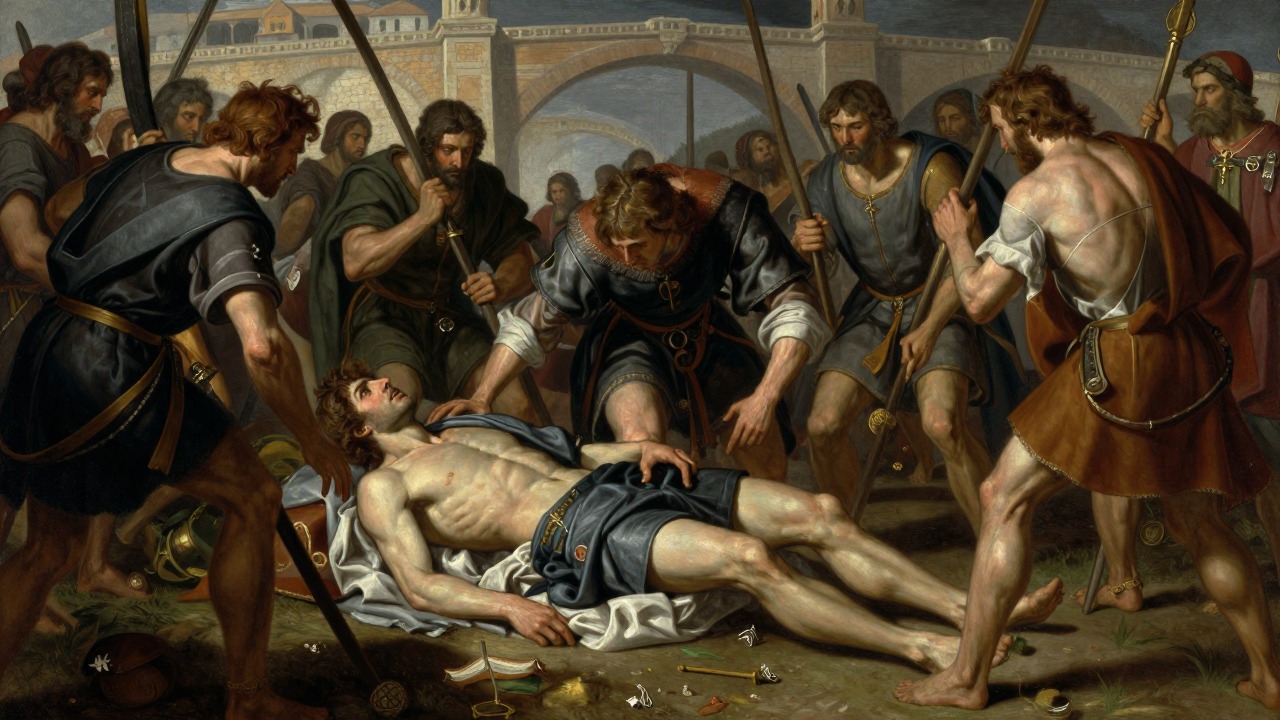
The Violent Death
The Battle
Manfredi was killed in battle against Charles of Anjou, sent by Pope Clement IV. He was excommunicated, and his body was buried at the bridge of Benevento but later disinterred and scattered by the bishop of Cosenza.
The Last Repentance
Despite his horrible sins, Manfredi turned to God in tears at the moment of death. He emphasizes that God's mercy is infinite and receives anyone who turns to Him.
The Waiting Period
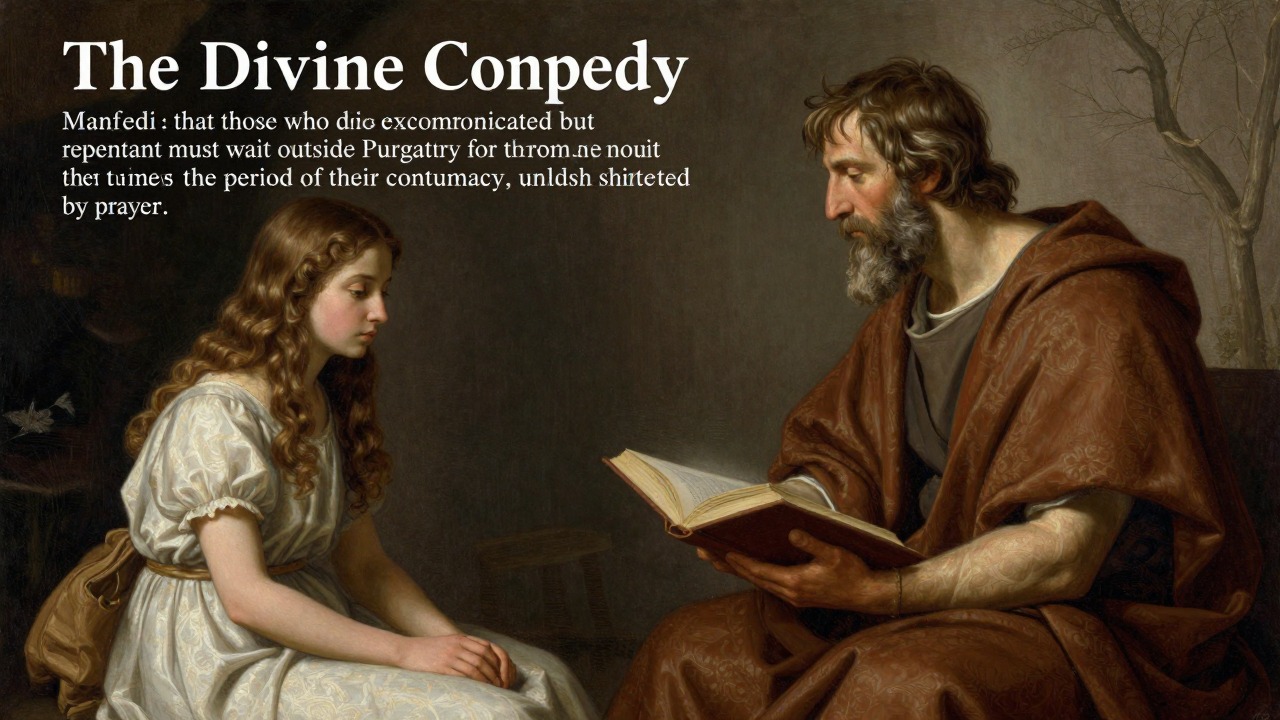
The Thirtyfold Time
The Rule
Manfredi explains that those who die excommunicated but repentant must wait outside Purgatory for thirty times the period of their contumacy, unless shortened by prayers.
The Hope
Manfredi's hope lies in the prayers of the living. He asks Dante to inform his daughter Costanza so that she may pray for him and reduce his waiting time.
Dante's Compassion
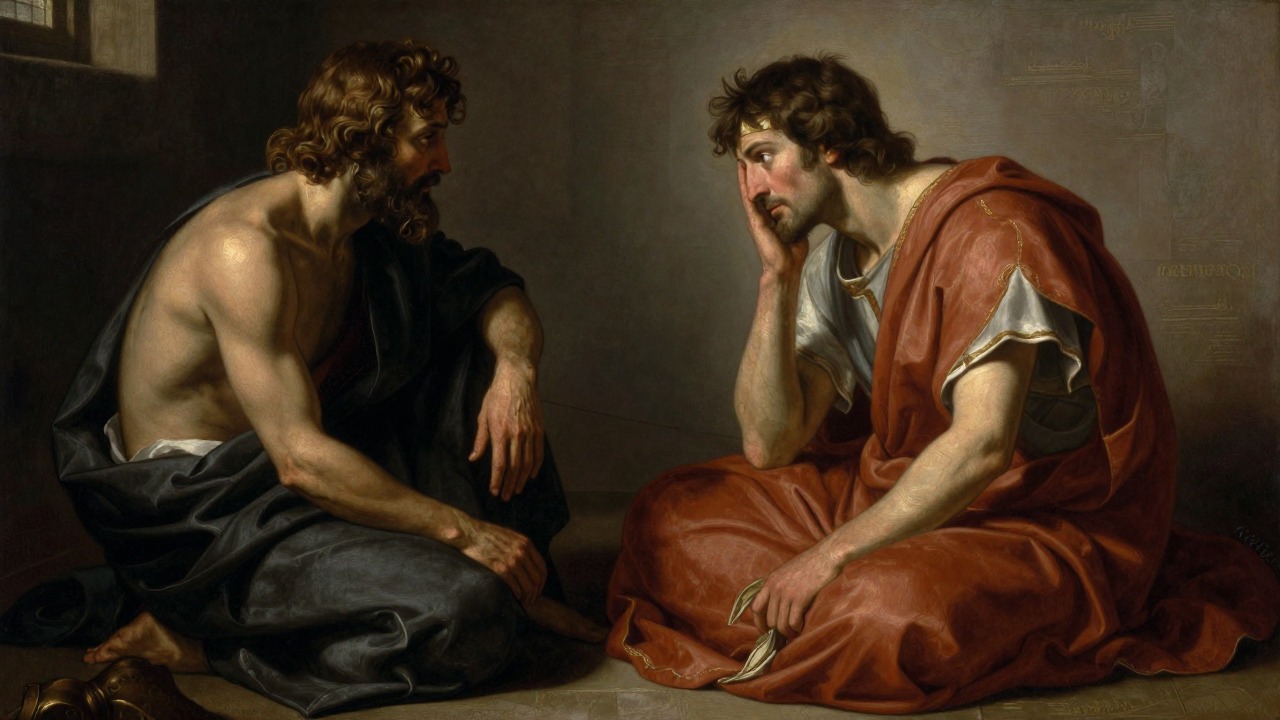
The Promise
Dante's Vow
Dante promises to fulfill Manfredi's request. He is moved by Manfredi's story and the theme of divine mercy.
The Contrast with Hell
Manfredi's hope contrasts with the despair of the damned. Even excommunication cannot prevent salvation if one truly repents. This episode emphasizes the power of God's grace.
The Role of Prayers
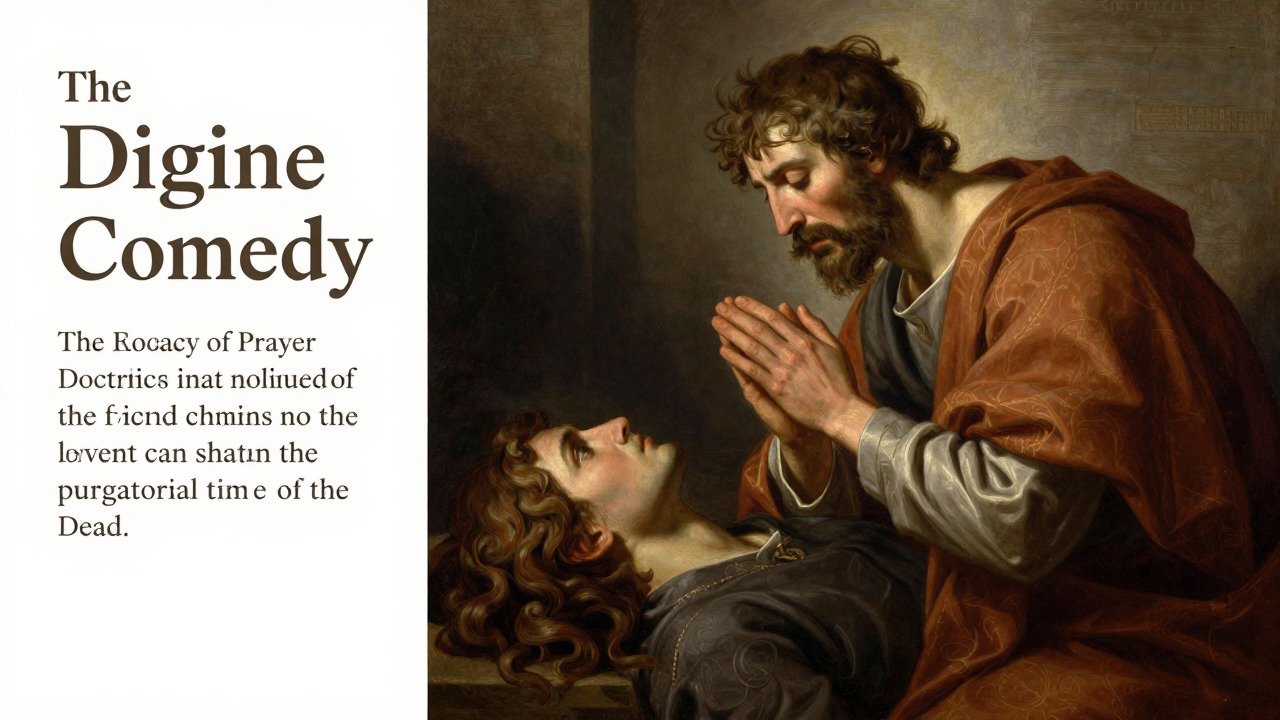
The Efficacy of Prayer
The Doctrine
Manfredi's story introduces the doctrine that prayers of the living can shorten the purgatorial time of the dead. This is a key theme in Purgatory.
The Personal Plea
Manfredi's request is personal and urgent. His fate depends on the charity of others, highlighting the communal nature of salvation.
In Ante-Purgatory, at the foot of the mountain
Before his death, in the battle of Benevento
In Ante-Purgatory, after his death
After Manfredi's speech, in Ante-Purgatory
Throughout Ante-Purgatory, as explained by Manfredi
